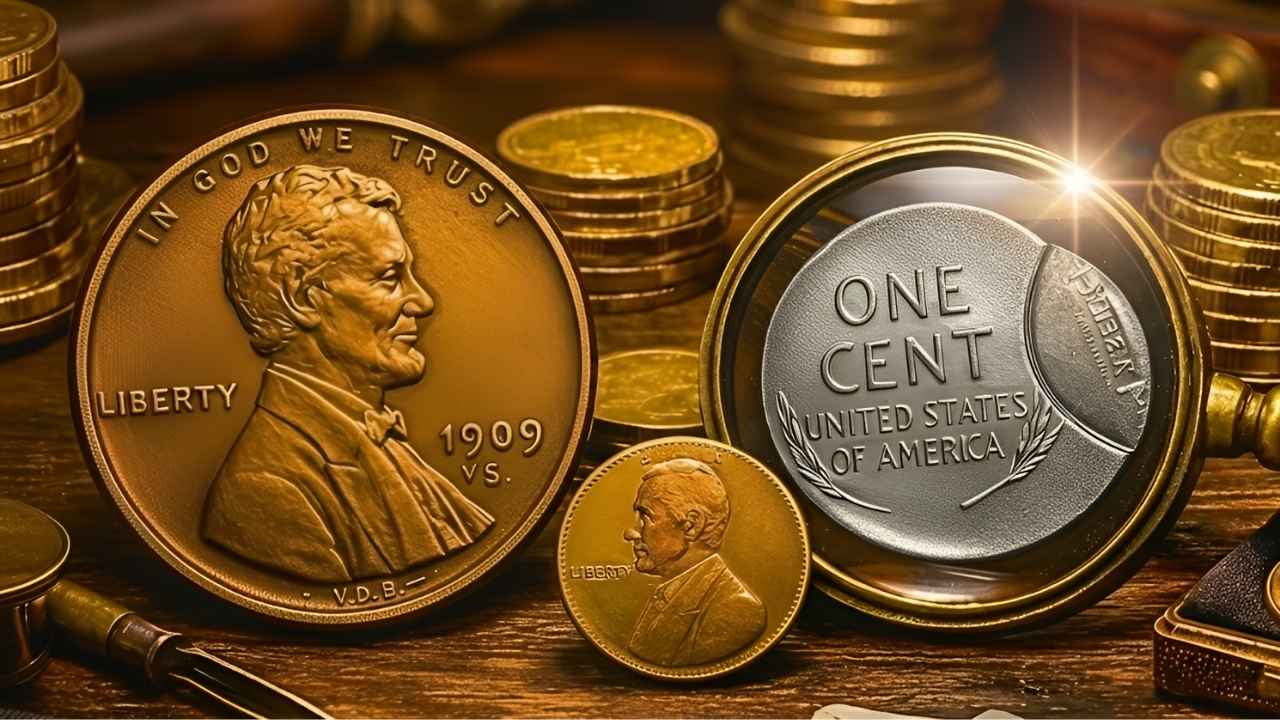
Why Wheat Pennies Are Rising in Value in 2026: Wheat pennies are no longer just forgotten copper coins sitting in old jars or family drawers. In 2026, these historic Lincoln Wheat Cents are experiencing a noticeable shift in market perception. Collectors are taking them more seriously, investors are tracking price movements, and auction platforms are reporting stronger interest than in previous years. This renewed attention is not accidental. It is the result of real changes in supply, collector behavior, grading standards, and long-term scarcity that are reshaping the wheat penny market from the ground up.
Wheat pennies are disappearing fast
Every year, the actual number of surviving wheat pennies drops. These coins stopped circulating decades ago, yet many were damaged, lost, or melted when copper prices spiked in earlier years. In 2026, collectors are realizing that wheat pennies are not an endless resource. High-grade examples are especially rare. As circulation-quality coins vanish and uncirculated pieces stay locked in collections, the available supply keeps shrinking, naturally driving values upward across most dates.
Collectors are thinking long term
Modern collectors are no longer chasing only flashy, expensive rarities. In 2026, there is a noticeable shift toward historically meaningful coins with long-term appreciation potential. Wheat pennies fit that profile perfectly. They represent over 50 years of American history and were handled by multiple generations. Collectors are building complete date and mintmark sets as long-term projects, increasing demand steadily rather than through short-lived hype.
Key dates are under pressure
Classic key dates like the 1909 S VDB, 1914 D, and 1931 S have always been valuable, but in 2026 they are facing even stronger competition. Many collectors who delayed purchasing these coins are now entering the market at the same time. This creates price pressure, especially for mid-grade examples that were once considered affordable. Even semi-key dates from the 1920s are seeing price jumps as collectors fill remaining gaps in their sets.

Condition sensitivity has increased
The wheat penny market in 2026 is more condition-focused than ever. Collectors now understand the massive value difference between a worn coin and one with strong details and original color. A common-date wheat penny in uncirculated condition can outperform a rare date in poor condition. This awareness has caused certified coins to outperform raw examples, pushing graded wheat pennies into a stronger and more stable price tier.
Certification is driving confidence
Third-party grading has become a major influence on wheat penny values. In 2026, buyers trust certified coins far more than raw listings. Professional grading provides clarity on authenticity, condition, and surface quality. As a result, graded wheat pennies often sell faster and at higher prices. This trend encourages more submissions for grading, but it also limits supply because not every coin meets certification standards.

Younger collectors are entering strong
A new generation of collectors is discovering wheat pennies through social platforms, short-form videos, and online coin communities. These collectors often start with wheat cents because they are affordable and historically interesting. In 2026, this younger audience is not just collecting casually. Many are researching varieties, mintages, and grading, which adds serious buying power to the market and strengthens long-term demand.
Online auctions are reshaping pricing
Traditional coin shops no longer control wheat penny pricing alone. Online auction platforms allow global buyers to compete in real time. In 2026, this competition has exposed the true demand for better-date and high-grade wheat pennies. Prices adjust quickly based on bidding behavior rather than outdated price guides. This transparency benefits sellers and confirms which dates are genuinely scarce in today’s market.

Copper content adds hidden value
While wheat pennies are primarily collected for numismatic reasons, their copper content still plays a psychological role. In times of inflation and economic uncertainty, tangible assets feel safer to many collectors. In 2026, rising material costs remind buyers that wheat pennies are made of nearly pure copper. Although they are not traded for melt value, this intrinsic metal factor supports market confidence and prevents sharp value drops.
Varieties are gaining recognition
Collectors in 2026 are paying closer attention to wheat penny varieties. Doubled dies, repunched mintmarks, and die cracks are no longer overlooked. As education improves, these varieties are being documented, graded, and traded at higher premiums. This adds an entirely new layer of demand beyond standard date-and-mint collecting and brings fresh energy into the wheat penny market.

Estate supplies are drying up
For years, large quantities of wheat pennies entered the market through estates and inherited collections. In 2026, that supply pipeline is slowing. Many of those old collections have already been absorbed by collectors or dealers. Fewer fresh hoards are appearing, which tightens supply further. When demand remains steady but new sources decline, prices naturally move higher.
Completion pressure is real
Collectors who are close to completing wheat penny sets feel increasing urgency. Missing just one or two dates can be frustrating, and in 2026, that frustration translates into higher bids. This completion pressure is one of the strongest drivers of price increases, especially for semi-key dates that were once ignored. As more collectors reach this stage, competition intensifies.
Wheat pennies feel historically safe
Unlike modern speculative collectibles, wheat pennies have survived market cycles for decades. In 2026, collectors see them as historically proven coins rather than risky trends. They are widely recognized, easy to authenticate, and supported by decades of pricing data. This sense of stability attracts cautious buyers who want collectible value without extreme volatility.
Small price moves add up
Many wheat pennies are not skyrocketing overnight, but their steady appreciation is noticeable. In 2026, even small annual increases compound into meaningful gains over time. Collectors who purchased wheat pennies years ago are seeing their patience rewarded. This reinforces confidence and encourages new buyers to enter the market before prices climb further.
The emotional connection matters
Wheat pennies often come with personal stories. They were found in pocket change, inherited from grandparents, or discovered during childhood coin hunts. In 2026, that emotional connection still matters. Collectors are not just buying copper discs; they are preserving personal and national history. Emotional value strengthens demand in ways charts and statistics cannot fully explain.
Conclusion
Wheat pennies are rising in value in 2026 for reasons rooted in reality, not speculation. Shrinking supply, stronger collector education, grading influence, and renewed historical appreciation are all working together. These coins are no longer overlooked leftovers from the past. They are respected collectibles with proven staying power. For collectors and enthusiasts, wheat pennies represent history, stability, and a market that continues to mature year after year.